| Progressive effects of alcohol |
| BAC (% by vol.) |
Behavior |
Impairment |
| 0.001–0.029 |
- Average individual appears normal
|
- Subtle effects that can be detected with special tests
|
| 0.030–0.059 |
- Mild euphoria
- Relaxation
- Joyousness
- Talkativeness
- Decreased inhibition
|
|
| 0.060–0.099 |
- Blunted feelings
- Reduced sensitivity to pain
- Euphoria
- Disinhibition
- Extroversion
|
- Reasoning
- Depth perception
- Peripheral vision
- Glare recovery
|
| 0.100–0.199 |
- Over-expression
- Boisterousness
- Possibility of nausea and vomiting
|
- Reflexes
- Reaction time
- Gross motor control
- Staggering
- Slurred speech
- Temporary erectile dysfunction
|
| 0.200–0.299 |
- Nausea
- Vomiting
- Emotional swings
- Anger or sadness
- Partial loss of understanding
- Impaired sensations
- Decreased libido
- Possibility of stupor
|
- Severe motor impairment
- Loss of consciousness
- Memory blackout
|
| 0.300–0.399 |
- Stupor
- Central nervous system depression
- Loss of understanding
- Lapses in and out of consciousness
- Low possibility of death
|
- Bladder function
- Breathing
- Dysequilibrium
- Heart rate
|
| 0.400–0.500 |
- Severe central nervous system depression
- Coma
- Possibility of death
|
- Breathing
- Heart rate
- Positional Alcohol Nystagmus
|
| >0.50 |
- High risk of poisoning
- High possibility of death
|
|
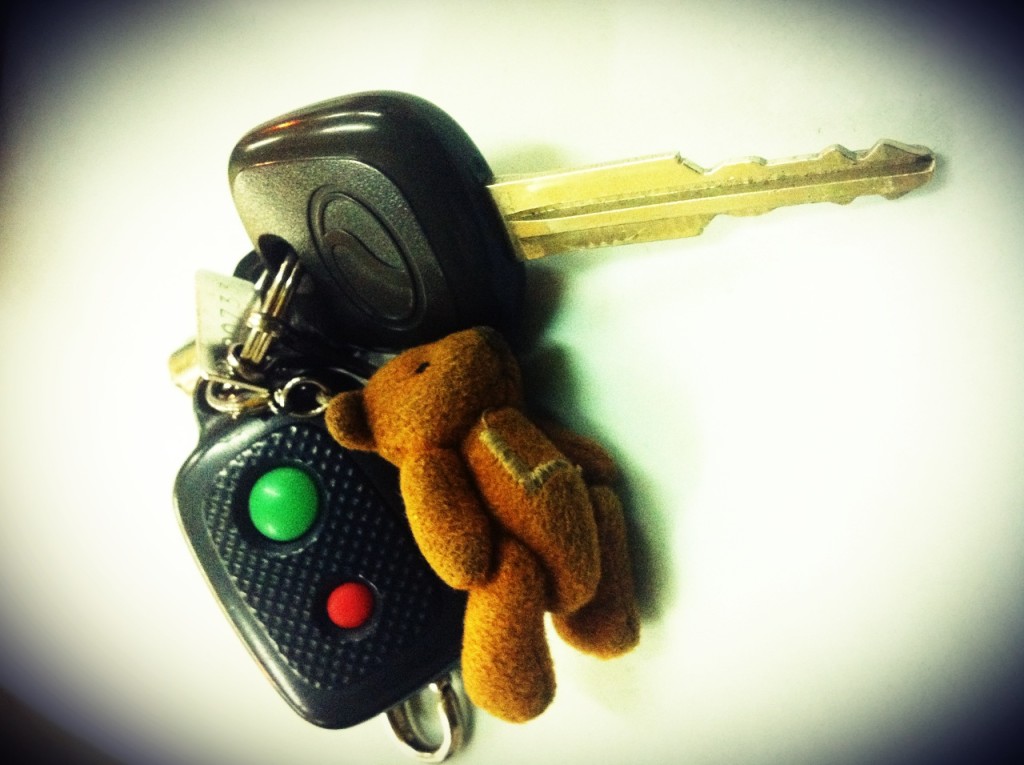 Question 2 asks whether she would be within the legal limit to drive. If we assume that the legal limit is 0.08%, then NO, she would not be within the legal limit to drive. One of her friends should take her car keys and help her get home.
